Tokyo’s housing policy
The adaptability of a megacity
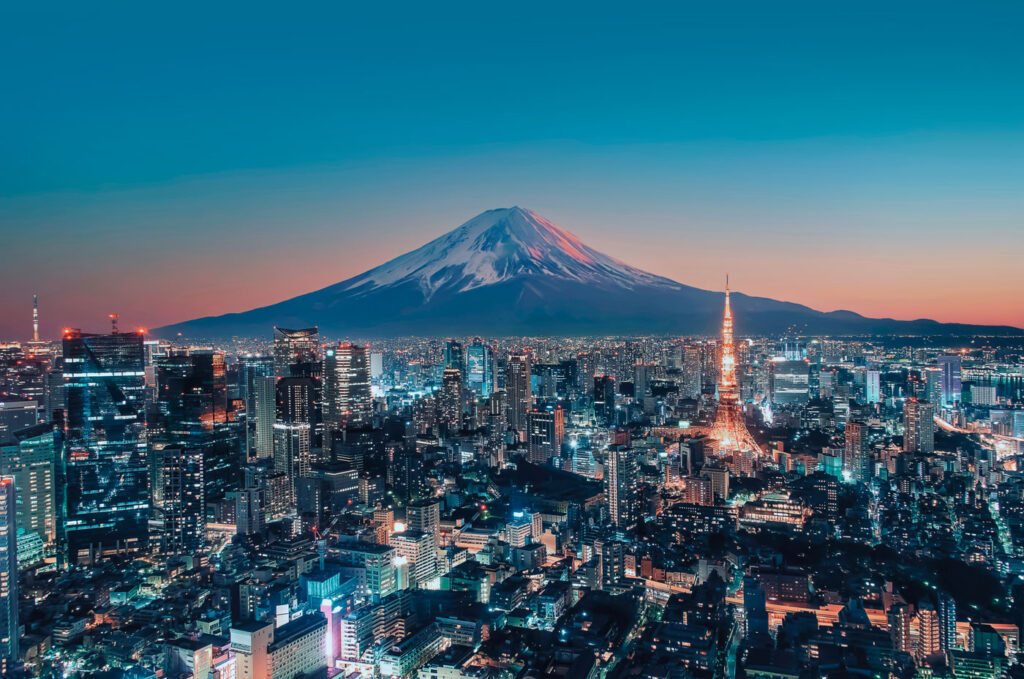
Tokyo is generally regarded as the world’s largest city. Over 37 million people live in the metropolitan area, and the city continues to grow. It is remarkable that house prices in Tokyo remain fairly stable, however. This stands in stark contrast to the sharp price rises seen in Europe’s major cities. The key to Tokyo’s success in maintaining price stability lies in its land policy.
According to legend, around the year 628, two fishermen pulled a golden Buddhist statue out of the water at a river mouth. Their feudal lord was presented with the statue and had a shrine built for worship, which has since become part of the central Asakusa temple complex in Tokyo.
Over the centuries, the region around Tokyo had been something of a side note in Japanese history. That changed abruptly with the unification of Japan under the rule of the Tokugawa clan in 1603. The clan had established its capital in Edo («river mouth»), as the city was then known. As supreme military leaders (shoguns), all political and economic power converged in Edo, even though imperial Kyoto in the west remained the formal capital. Edo grew rapidly and, by the mid-18th century, was home to over a million inhabitants. Cycles of rapid population growth would shape the city right up to the modern era.
By demolishing and rebuilding entire neighbourhoods, reclaiming land from the sea, and draining rivers and marshes, it was possible to cope with the influx to some extent. Japan’s opening up to the West, forcibly driven through by colonial powers in the 19th century, weakened the position of the Tokugawa shoguns, with the result that, in a subsequent civil war, the imperial loyalists under Emperor Meiji were ultimately able to prevail. Meiji subsequently moved the seat of the Imperial House to Edo; as a result, it changed from the western capital, Kyōto, to the «seat of the East», Tōkyō.
Industrialisation is putting Tokyo under pressure to act
Japan, and Tokyo in particular, experienced a massive surge in industrialisation during the transition from the 19th to the 20th century. Whilst this was also true of other cities, the scale of the development in Tokyo was truly impressive.
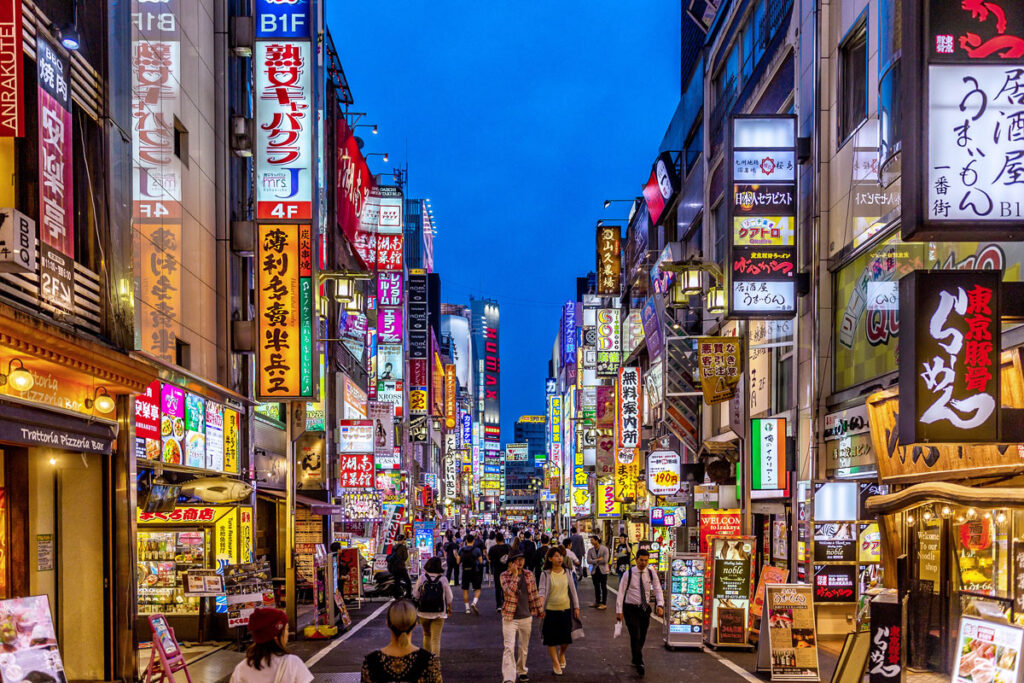
The Tokyo Metropolitan Area alone grew by 1.3 million people in the forty years between 1880 and 1920. Relatively late in 1919, Tokyo enacted its first town planning act. This became essential as former neighbouring towns were incorporated into the expanding metropolitan prefecture and agricultural areas had to be pushed further and further out.
In the Great Kanto Earthquake of 1923, large parts of Tokyo and Yokohama were reduced to rubble and ashes. These areas were subsequently rebuilt under a revised planning act and using the latest techniques and urban planning principles. Greater density, clear structures and a modern road layout were the results of this regeneration.
During the Second World War, Tokyo was once again severely damaged by Allied air raids. The American occupation brought new construction and urban planning measures to Tokyo. On the one hand, this was a blessing, as Tokyo was able to draw on the wealth of experience of major American cities. On the other hand, these measures would prove too rigid in the face of renewed growth spurts and Japan’s specific needs.
The Collapse and Renewal of Urban Planning
In the post-war period, a new cycle of rapid growth began. In the 1970s and 1980s, Japan was the world’s second-largest economic power, and there was speculation as to whether it might even overtake the US before the end of the century. Tokyo was once again a prime example of this development. However, the urban planning policies of the time – which had been strictly enforced by the Americans during the occupation in the interests of the «democratisation» of society – combined with the Japanese desire for comprehensive protection of cultural sites and the natural environment, led to distorted development patterns. In particular, certain aspects of building legislation created strong incentives for land speculation.
All of this drove land prices into utterly fantastical heights. At the height of the property bubble around 1989, the Japanese Imperial Palace in Tokyo was nominally worth more than the entire building stock in the state of California. The bubble burst, and with it an overheated economy; prices and asset values plummeted.
At the same time, however, the crisis demanded a fundamental rethink on the part of city policymakers. Not only did property values, which had been in decline, need to be stabilised once more, but Tokyo also continued to grow unabated as a city throughout the crisis. Building regulations were drastically streamlined and the planning permission process made more flexible. Whilst the latter went hand in hand with restrictions on the right to object, this was offset for society as a whole by faster construction that met actual needs.
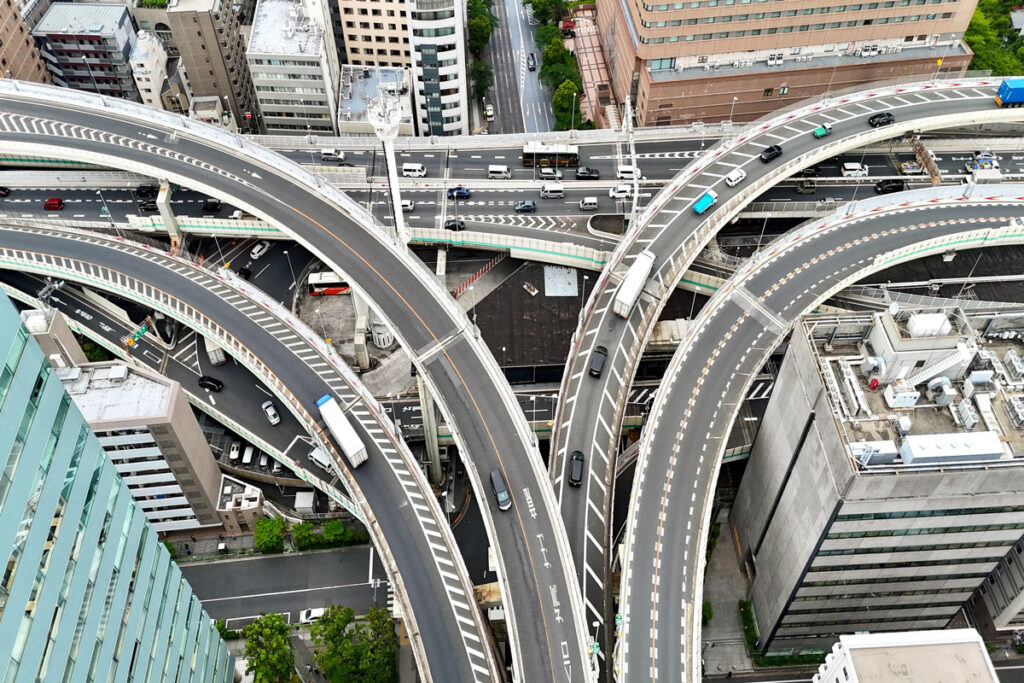
A distinctive feature of Tokyo in this context is the so-called Urban Renaissance Emergency Development (URED) zones. On the one hand, the URED scheme is intended to make Tokyo more resilient to natural disasters. On the other hand, neighbourhoods that are critical to urban development are to be subject to special provisions regarding plot coverage, building height and minimum distances under the URED scheme.
DThe city has designed this instrument as a sort of «template» that can be applied relatively flexibly to a neighbourhood. If demand factors rise sharply – for example, if new businesses or cultural venues establish themselves there, thereby increasing demand – then the city administration can designate the neighbourhood as an URED. This allows the neighbourhood to benefit from special provisions and to develop quickly and at a higher density in line with demand. Thanks to the rapid expansion of supply, land prices remain relatively low. This leads to lower mark-ups on rents and property prices and makes land speculation less attractive.
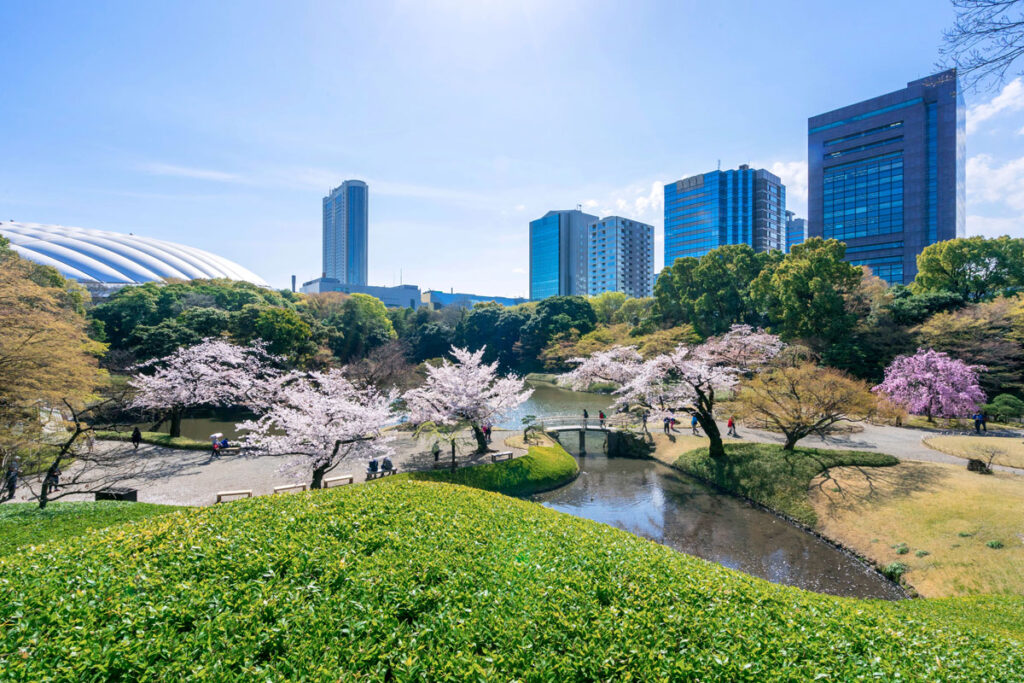
Conclusion – Tokyo’s successful approach to demand-led densification
Expert opinion
«Tokyo’s success shows that if you want to create housing in line with demand, you must view zoning as a dynamic tool. Switzerland, too, would do well to take a critical look at rigid planning permission procedures and protracted appeal processes. Flexible densification zones – similar to Tokyo’s URED areas – could alleviate supply bottlenecks and effectively counteract land speculation.»
Moritz Falck
CEO, Owner
The Falck Group AG
Share post